
Understanding eGFR, Creatinine and Herbal Medicine
By Miriam Young, Clinical Herbalist & Naturopathic Medicine Practitioner | Jindalee, Brisbane
If you are searching for natural ways to support kidney function, you are in the right place. As a Clinical Herbalist practising naturopathic medicine in Jindalee, Brisbane, I have been supporting clients with kidney health for over 28 years — combining herbal medicine, nutrition, stress management, and Ma’at Healing Therapy to produce remarkable results, even in clients with significantly compromised kidney function.
Effective support for kidney health goes far beyond drinking more water. A comprehensive herbal and dietary approach can stabilise declining eGFR, reduce elevated creatinine, repair glomerular tissue, and restore the kidneys’ capacity to filter, balance, and heal — and I have witnessed this personally in clinical practice for nearly three decades.
What Is eGFR — and Why Does It Matter?
The eGFR (estimated glomerular filtration rate) is one of the most important indicators of kidney health, estimating how effectively your kidneys filter waste from the blood each minute. A reading above 90 is considered normal. As eGFR declines, so does kidney function — readings below 60 for three months or more indicate chronic kidney disease (CKD).
Creatinine is a waste product produced by normal muscle activity. Healthy kidneys filter creatinine efficiently from the bloodstream. Rising creatinine is an important early warning sign of declining renal function, used alongside eGFR to build a fuller picture of overall health. According to Kidney Health Australia, early detection and lifestyle intervention are among the most powerful tools for slowing CKD progression.
Bringing creatinine levels down and stabilising or improving eGFR are key clinical goals — and natural ways to support kidney function that are both evidence-informed and achievable.
Herbal Medicine — The Most Powerful Natural Way to Support Kidney Function
Herbal medicines have been used for thousands of years to support urinary tract and kidney health, and modern research is increasingly validating what traditional medicine has long known.
Two of the most powerful herbs I prescribe for renal repair and glomerular health are:
Astragalus membranaceus — one of the most researched herbs in traditional Chinese medicine for kidney disease, Astragalus has demonstrated remarkable ability to protect glomerular structure, reduce proteinuria (protein in the urine, a key marker of kidney damage), and slow the progression of chronic kidney disease. It is also a profound immune modulator and adaptogen, supporting the whole-body resilience that kidney disease so often depletes.
Rehmannia glutinosa — a foundational tonic in Chinese herbal medicine with thousands of years of use, Rehmannia deeply nourishes and restores renal tissue, reduces inflammation within the nephrons, and supports healthy fluid metabolism. It is particularly indicated where kidney disease is accompanied by fatigue, lower back weakness, and systemic depletion — which describes the majority of my CKD clients.
These are prescribed as part of a bespoke tincture formula, drawn from a comprehensive dispensary of plant medicines sourced from around the world, and formulated individually for each client.
If you are currently on orthodox medication for kidney disease, herbal medicine works alongside it — not instead of it.
For more on how kidney crystals contribute to lower back pain and CKD, read: Lower Back Pain and the Kidney Crystal Connection
Stress, Cortisol and Your Kidneys
Stress is one of the most overlooked drivers of declining kidney health. Chronic stress leads to prolonged elevations in cortisol — the body’s primary stress hormone. While cortisol is essential for regulating metabolism, immune function, and blood sugar, persistently elevated levels contribute to high blood pressure, systemic inflammation, and increased oxidative stress — all of which place significant additional burden on already-compromised kidneys.
Adaptogenic herbs are a cornerstone of my approach to supporting kidney health naturally. Adaptogens help regulate the stress response, bringing cortisol back into balance and reducing the downstream inflammatory damage that chronic stress causes in renal tissue. Addressing stress is not a soft add-on to kidney treatment — it is clinically essential.
The Gut-Kidney Connection: GEMM
One of the most exciting and evidence-backed areas of kidney health research is the gut-kidney axis. The Gut Ecology and Metabolic Modulation (GEMM) approach supports the kidneys by improving gut barrier integrity and reducing intestinal permeability — commonly known as leaky gut.
When the gut lining becomes compromised, bacterial toxins, inflammatory compounds, and metabolic waste products enter the bloodstream, dramatically increasing the filtration burden on the kidneys. Research increasingly suggests that gut-derived toxins are a significant contributor to systemic inflammation and accelerated kidney function decline, particularly in individuals with existing CKD.
By supporting a healthy gut microbiome, healing the gut lining, and promoting robust digestive health, the GEMM approach helps decrease the production and absorption of harmful toxins — directly reducing the load on the kidneys and supporting their long-term health.
Diet and Lifestyle for Healthy Kidney Function
Diet is a foundational component of natural kidney support and works hand in hand with herbal treatment to produce lasting results.
Foods that actively support the kidneys include:
Wild blueberries and cherries — rich in anthocyanins that protect nephron tissue from oxidative damage
Beetroot — supports healthy circulation and nitric oxide production, improving blood flow through the kidneys
Asparagus — a gentle natural diuretic that supports urinary tract health
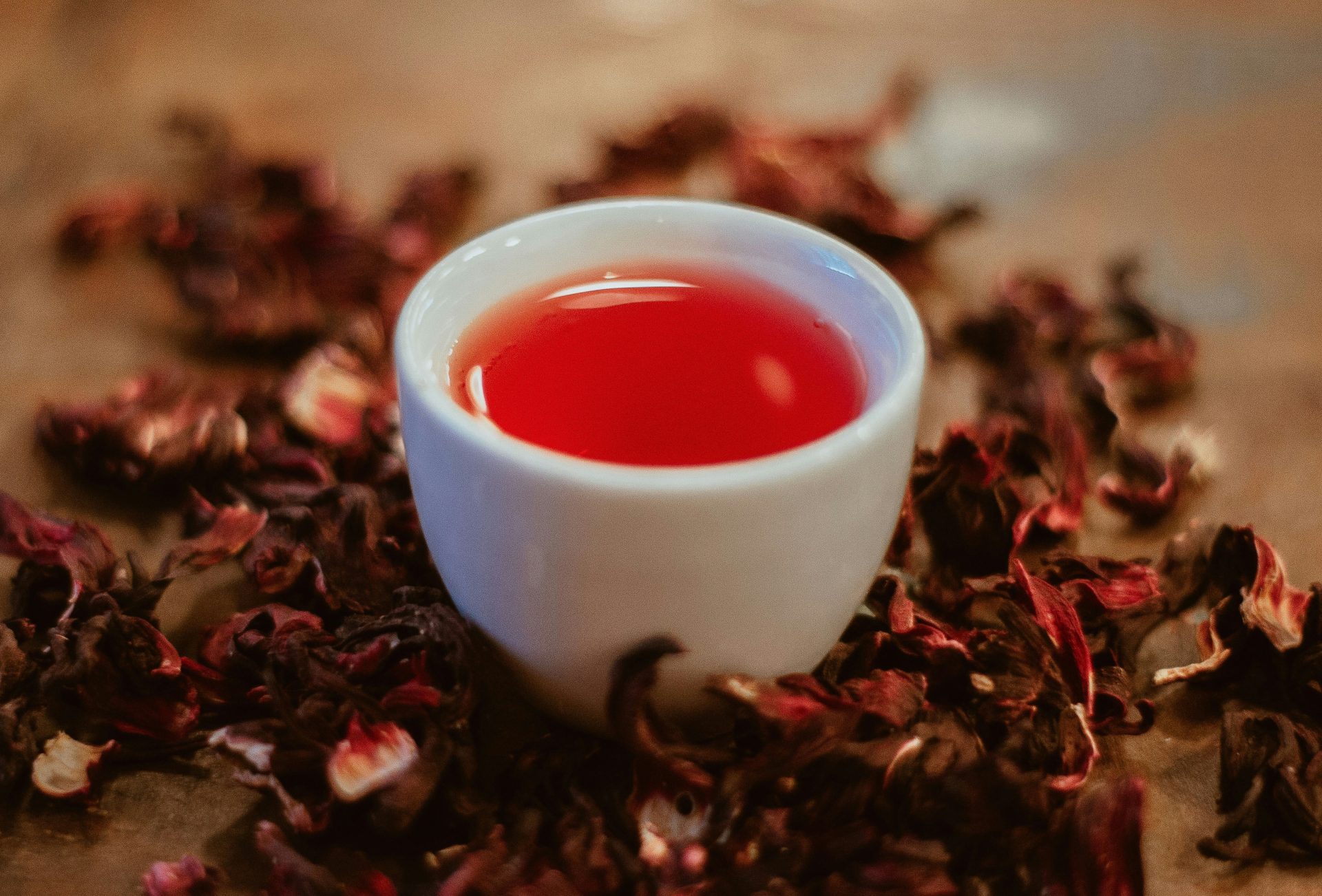
Hibiscus tea — valued for its antioxidant properties and its support of both cardiovascular and kidney function — a beautiful and therapeutic alternative to black tea
What to reduce or eliminate:
Black tea — high in oxalates, which directly contribute to crystal formation and renal burden
Alcohol — places significant detoxification load on the kidneys and liver simultaneously
Processed foods, excess salt, and sugar — all contribute to the inflammation and metabolic disruption that drives CKD progression
Make filtered water your main drink of the day — one of the simplest daily habits for long-term kidney health.
Frequently Asked Questions About Natural Kidney Function Support
What are the most effective natural ways to support kidney function?
The most effective approach combines herbal medicine, dietary change, stress management, and gut health support. In my 28 years of clinical practice, I have personally witnessed significant improvement in kidney function — including stabilised and improved eGFR — through this integrated naturopathic approach.
Can herbal medicine improve my eGFR naturally?
Yes. Herbs such as Astragalus and Rehmannia have demonstrated the ability to protect glomerular tissue, reduce inflammation, and support renal function at a cellular level. Results vary by individual and stage of disease, but meaningful improvement is absolutely achievable.
How long before I see results?
Most clients notice meaningful changes within four weeks to four months of consistent herbal treatment, dietary changes, and stress management.
Do I need to stop my kidney medication to work with a herbalist?
No. Herbal medicine is designed to work alongside your existing medical treatment. A thorough intake process ensures your herbal formula is tailored to your current medications and overall health status.
Ready to explore natural support for your kidney health with an experienced Clinical Herbalist?
Book a consultation with Miriam at miriamyoung.health
Also read:
– Lower Back Pain and the Kidney Crystal Connection
– 5 Signs Your Lower Back Pain Is Coming From Your Kidneys
ABOUT THE AUTHOR
Miriam Young is a Clinical Herbalist and naturopathic medicine practitioner based in Jindalee, Brisbane, and a proud member of the Australian Traditional Medicine Society (ATMS). She holds a Doctorate in Quantum Counselling and a Science Diploma in Herbal Medicine, and has been in clinical practice for 28 years. Miriam specialises in kidney health, thyroid disease, gut health, chronic disease, and organ detoxification, working with clients in-person in Brisbane’s western suburbs and via telehealth across Australia and worldwide.